Savor the Slow Roads of Goriška Brda and the Vipava Valley

Set your pace to gentle and let curiosity lead as we journey through Slow Food and Wine Trails in Goriška Brda and the Vipava Valley. Between orchards, terraced vineyards, and stone villages, each sip and bite reveals heritage, patience, and the grace of place. Expect seasonal plates, native grapes, and conversations that linger like sunset light over the hills, inviting you to taste thoughtfully, roam mindfully, and return with stories scented by cherries, wild herbs, and cellar air.

Morning Light Over the Terraces

At sunrise, a hush spreads across the undulating terraces, and dew catches on vine leaves like scattered glass. Farmers clink bottles as they ready baskets, and the air carries hints of fennel and damp stone. Walk slowly enough to hear distant pruning snips and a rooster’s reply, then pause where the trail opens onto orchards. A handful of cherries or a warm roll from the village bakery can set the tone for a day guided by scent, color, and the simplest pleasures.

Stone Cellars That Remember

Step down into a cool, arched cellar, and the temperature drops with a comforting sigh. Here, barrels breathe softly, and walls made before your grandparents were born hold stories of good harvests, frosts, and patient waiting. The winemaker speaks quietly, letting the wine do most of the talking. Tasting becomes listening: to microclimates whispering through minerality, to seasons layered as texture, to families who trust time. You leave marked with candle wax on your sleeve and a deeper understanding of restraint.

Crossing Borders by Flavor

This corner of Slovenia leans conversationally toward Friuli, and borders dissolve on the tongue. A plate of hand-cut noodles echoes Italian kitchens, while wild herb omelets carry the valley’s hillside voice. Wines bridge cultures with ease: a bright white pairing with olive oil-brushed bread, a structured red nodding to nearby traditions. Walking or cycling, you sense how language, recipes, and vineyard rows share space like neighbors chatting at twilight. Every stop becomes a translation, turning geography into delicious, memorable nuance.

Grapes That Speak Place

Rebula’s Many Faces

Rebula, known over the border as Ribolla Gialla, thrives on Brda’s terraces, offering a spectrum from citrus-laced, saline brightness to amber-hued, skin-contact depth. In stainless steel it can sing of lemons and crushed shells; with longer maceration, it turns textured, tea-scented, and quietly profound. Pair a fresh version with trout and herbs, then try an orange expression beside aged cheese and walnuts. Each iteration preserves a core of place, teaching patience, openness, and the pleasure of layered discovery.

Pinela and Zelen, Windswept Whites

Rebula, known over the border as Ribolla Gialla, thrives on Brda’s terraces, offering a spectrum from citrus-laced, saline brightness to amber-hued, skin-contact depth. In stainless steel it can sing of lemons and crushed shells; with longer maceration, it turns textured, tea-scented, and quietly profound. Pair a fresh version with trout and herbs, then try an orange expression beside aged cheese and walnuts. Each iteration preserves a core of place, teaching patience, openness, and the pleasure of layered discovery.

Sunlit Reds with Honest Structure

Rebula, known over the border as Ribolla Gialla, thrives on Brda’s terraces, offering a spectrum from citrus-laced, saline brightness to amber-hued, skin-contact depth. In stainless steel it can sing of lemons and crushed shells; with longer maceration, it turns textured, tea-scented, and quietly profound. Pair a fresh version with trout and herbs, then try an orange expression beside aged cheese and walnuts. Each iteration preserves a core of place, teaching patience, openness, and the pleasure of layered discovery.

Plates from Gardens and Hearths

Cooking here follows the calendar. Spring arrives with frtalja, a herb-studded omelet greening the plate; summer glows with cherries and apricots; autumn brings comforting stews and oven warmth. Expect produce picked scarcely an hour before reaching your table, bread with a crackling crust, and olive oil that tastes like sunlit leaves. Traditional recipes adapt gently to today’s kitchens, keeping the spirit of thrift, generosity, and celebration. When flavors align with the season, meals feel inevitable, humble, and extraordinary at once.

Trails to Walk, Pedal, and Savor

Routes curve gently through vineyards and orchards, linking hilltop villages, chapels, and porches welcoming travelers with carafes and slices. The Brda Wine Route and the Vipava Wine Road are well-marked, yet the best discoveries often hide down side lanes. Bring a map, charge your phone, and allow for serendipity. E-bikes keep climbs friendly, while unhurried walkers earn longer tastings. Book cellar visits when possible, carry water, and give yourself unscheduled hours. Delicious detours are the region’s unofficial signage.

People, Stories, and Traditions

Families here farm with continuity, adapting to new tools while keeping the core gestures unchanged—pruning by feel, tasting by memory, and celebrating by gathering. Borderlands ask for openness, and hospitality answers gladly. Oral histories weave through recipes, harvest rituals, and festivals that mark cherries, olives, and the first pressing. These lives nourish the routes you walk, pouring context into every glass and kindness into every plate. Listening becomes part of tasting, and gratitude becomes effortless, even contagious.

How to Taste with Intention

Savoring slowly is a practice. Start hydrated, nibble thoughtfully, and give each wine time to open. Ask questions that invite stories: vineyard exposures, favorite food pairings, and weather memories. Take notes that capture feelings alongside flavors—sunlit, stony, meadow-bright. Share rides or walk when you can, and book visits to respect schedules. Post-trip, trade reflections with fellow travelers, support producers directly, and subscribe for seasonal updates. Gentle habits amplify pleasure and ensure the places you love remain vibrant.

01

Set a Comfortable Rhythm

Plan fewer stops than you think you can manage, leaving space for detours and second pours. Begin with lighter wines, then move to deeper textures, pausing for bread and local cheese between flights. Swirl, smell, sip, and breathe before deciding. Use spittoons without hesitation, and keep water handy. Let conversation wander into vineyard maps and family histories. The best tastings feel like unhurried meals with friends: attentive, playful, and generous. Your body, palate, and memories will all thank you sincerely.

02

Pairings That Reflect the Land

Choose combinations that echo landscape cues. A saline-tinged white beside river fish, lemon, and wild fennel; a macerated expression with roasted squash and sage; a medium-bodied red with mushrooms, polenta, and late-season peppers. Fruit-driven wines love charcuterie trimmed with acidity, while delicate varieties prefer greens and gentle oils. Explore texture as carefully as flavor. If a dish feels creamy, invite a wine with lift; if it crunches, consider something rounded. Matching mood and weather matters too, improving every shared bite.

03

Etiquette That Builds Community

Arrive on time, introduce yourself, and show curiosity without urgency. Buy a bottle when you can, or arrange shipping if luggage complicates things. Share honest feedback with kindness. Photograph respectfully—ask before posting children or private spaces. Carry a small bag to reduce waste, and refill your water bottle along the way. Tip for meals, thank your hosts, and recommend them genuinely. These courtesies keep welcome mats out and cellar doors open, ensuring that future travelers meet the same generous smiles.
Spring’s Gentle Invitations

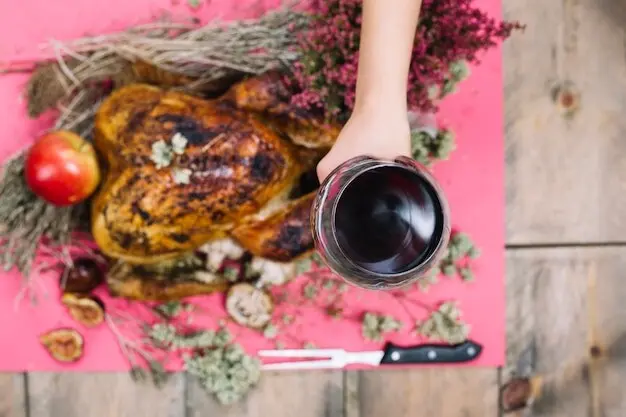
Trails soften under wildflowers, and mornings smell like rain on stone. Cellars pour whites that feel tender and articulate, perfect with young cheeses and salads. Bring a light jacket for breezes, and plan longer lunches outdoors. Orchard paths buzz with bees, and families gather herbs near their thresholds. You notice how everything seems lifted—acidity, voices, even your stride. Afternoons stretch kindly, and golden light settles on hills like a blessing. Spring is beginner-friendly, generous, and beautifully clear.

Summer Shade and Late Evenings

Start early, pause midday, and lean into twilight. Seek routes with churchyard trees, porches, and pergolas that cast patterned shadows. Picnics of tomatoes, olives, and crusty bread keep energy bright. Whites with crisp edges refresh, while chilled reds surprise with grace. Villages hum after sunset as cicadas take over the chorus. Carry sunscreen, refill water, and find fountains marked by locals. Evening tastings feel like garden parties, with laughter mingling into starry skies. Summer rewards patience, planning, and joyful laziness.

Harvest Glow and Winter Quiet

Autumn gathers momentum: tractors trundle, crates stack, and air smells like crushed skins. Visitors can sense urgency partnered with celebration. Book ahead respectfully, and accept if schedules tighten. Winter follows with intimate tastings, soups, and hearthside talks, revealing details easily missed in busier months. Trails are peaceful, layered in soft color. Wines seem more reflective, too—textures deepen, conversations lengthen, and choices become thoughtful. Pack warm clothing, bring a notebook, and embrace the silence. The landscape answers with kindness.
Dexosentomiraxari
Privacy Overview

This website uses cookies so that we can provide you with the best user experience possible. Cookie information is stored in your browser and performs functions such as recognising you when you return to our website and helping our team to understand which sections of the website you find most interesting and useful.